
Overview
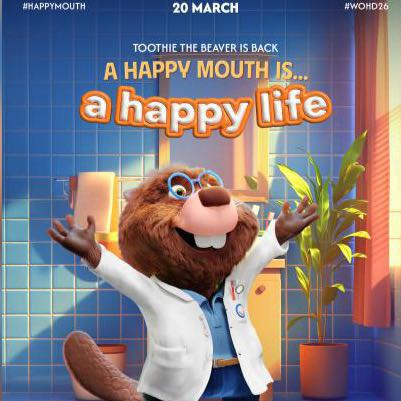
The campaign, “Smiles Without Borders” will be implemented from October 2025 to April 2026, in alignment with the global World Oral Health Day theme “A Happy Mouth is a Happy Life.” The initiative will be designed as a comprehensive, multi-sectoral intervention aimed at transforming oral health awareness, access, and behaviors across Kenya.
This campaign will move beyond traditional outreach models by adopting a community-centered and systems-based approach, integrating preventive education, curative services, cultural engagement, advocacy, and digital innovation. Activities will be implemented across multiple counties, targeting diverse populations including school children, vulnerable communities, occupational groups, and the general public. The overarching goal will be to establish oral health not only as a clinical issue but as a social, cultural, and public health priority embedded within everyday life.
Expanding Access to Oral Healthcare Services
A central pillar of the campaign will be the expansion of access to oral healthcare services, particularly among underserved and marginalized populations. To achieve this, the campaign will organize a large-scale national dental camp in Kibera, which is envisioned to be the largest dental outreach ever conducted in the country. This mega camp will bring together hundreds of oral health professionals, including dentists, dental students, hygienists, and nursing staff drawn from government institutions, the military, universities, and private practice. The camp will be structured to handle a high patient volume through multiple treatment stations offering extractions, restorations, scaling, screening, and referrals, alongside continuous oral health education.
In addition to the mega camp, the campaign will implement regular community dental camps at a minimum frequency of two per month, strategically distributed across various counties. These camps will ensure sustained service delivery throughout the campaign period, reaching populations that face barriers to accessing formal healthcare systems. Each outreach will integrate clinical services with education and preventive interventions, while also collecting data to support follow-up care and referrals.
Targeted outreach programs will also be conducted for vulnerable populations, including street families, children’s homes, and elderly care facilities. Street-connected children will receive screenings, basic treatment, and oral hygiene kits, while children in institutional care will benefit from structured check-ups and referral pathways. Elderly populations will be specifically targeted for denture care, oral screenings, and education on maintaining oral health in later life, recognizing the unique needs of geriatric populations.
School-Based Oral Health Promotion
The campaign will place strong emphasis on early intervention through an extensive school-based oral health program. This will involve large-scale engagement with schools across the country, where structured oral health education sessions will be delivered to students. These sessions will include practical demonstrations on proper brushing techniques, discussions on diet and oral health, and interactive engagements designed to instill lifelong healthy habits.
To reinforce learning and ensure long-term impact, selected schools will be revisited for follow-up programs, allowing for monitoring of behavioral change and reinforcement of key messages. The campaign will also incorporate interactive strategies such as quizzes and trivia sessions during school visits and camps, where children will be rewarded for participation and correct responses. This approach will transform learning into an engaging and memorable experience.
Recognizing the role of caregivers in shaping children’s health behaviors, the campaign will also include maternal education sessions, where mothers will be trained on infant oral care, preventive practices, and the importance of early intervention. This dual approach will ensure that both children and caregivers are empowered with knowledge and practical skills.
Community Engagement and Cultural Integration
Understanding that oral health behaviors are deeply influenced by cultural beliefs and social norms, the campaign will prioritize community engagement through culturally sensitive approaches. A series of community forums, commonly known as barazas, will be conducted across various regions of the country. These forums will provide a platform for open dialogue on oral health, allowing community members to discuss practices, beliefs, and challenges.
During these engagements, the campaign will actively address harmful cultural practices such as infant oral mutilation and culturally driven tooth extractions. Education will be delivered in local languages to ensure clarity, acceptance, and relevance. By fostering respectful dialogue rather than confrontation, the campaign will aim to promote sustainable behavior change.
To strengthen community ownership, the campaign will recruit traditional leaders, chiefs, and elders as oral health ambassadors. These individuals hold significant influence within their communities and will play a critical role in reinforcing positive oral health practices. Similarly, religious leaders will be engaged and trained to disseminate oral health messages within places of worship, thereby reaching large congregations and embedding oral health within everyday community life.
Targeted Public Health and Occupational Interventions
The campaign will address specific public health risks through targeted interventions aimed at high-risk populations. One such initiative will focus on boda boda riders, who represent a group highly susceptible to maxillofacial injuries due to road traffic accidents. Through this program, riders will receive education on injury prevention, alongside distribution of helmets and reflectors. The initiative will be amplified through a public motorcade to increase visibility and awareness.
Similarly, outreach will be conducted at construction sites, where workers face significant occupational risks related to head and neck injuries. These sessions will combine oral health education with broader safety messaging, emphasizing the importance of protective gear and preventive practices.
To ensure sustainability at the grassroots level, the campaign will also train community health promoters, equipping them with knowledge on common oral health conditions and preventive strategies. These individuals will serve as ongoing resources within their communities, extending the impact of the campaign beyond its duration.
Inclusion and Equity
Inclusivity will be a fundamental principle guiding the campaign. Special programs will be designed for persons with disabilities, ensuring that oral health education is accessible to all. Outreach will be conducted at schools for the blind and deaf, with education delivered through adapted methods, including sign language.
In collaboration with relevant organizations, the campaign will develop accessible educational materials tailored to the needs of differently-abled individuals. This will ensure that key oral health messages are not only delivered but also understood and retained.
National Awareness and Media Engagement
To achieve widespread impact, the campaign will implement a robust media and digital communication strategy. Social media platforms will be leveraged to disseminate engaging content, including educational videos, testimonials, and interactive campaigns. Influencers and public figures will be engaged to amplify messaging and reach broader audiences.
Traditional media will also play a key role, with television and radio interviews, including vernacular stations, ensuring that information reaches diverse linguistic groups across the country. Additionally, oral health messages will be integrated into everyday life through branding of public transport systems (matatus), providing continuous exposure to the public.
Creative Advocacy and Innovation
Innovation will be a defining feature of the campaign. The official oral health theme song will be translated into Swahili and multiple local languages, making it more accessible and relatable to the Kenyan population. To enhance engagement, a dance challenge will be developed around the song, encouraging community participation and social media interaction.
An additional original song promoting oral health will also be produced, using music as a powerful tool for education and behavior change. These creative approaches will ensure that oral health messaging resonates across different age groups and communities.
The campaign will further integrate technology through the development of an AI-powered oral health chatbot, designed to provide real-time responses to common oral health questions. This innovation will extend access to information beyond physical interactions, making oral health guidance available to anyone with digital access.
National Outreach Through Oral Health Safari
A unique Oral Health Safari initiative will be undertaken, involving travel across multiple regions of Kenya, including Nyanza, Central, and Rift Valley. This initiative will focus on delivering culturally tailored oral health education while strengthening national cohesion and awareness. By physically engaging diverse communities, the campaign will ensure inclusivity and representation.
Mentorship and Capacity Building
The campaign will invest in the future of oral health by conducting mentorship sessions for dental students and young professionals, emphasizing the importance of preventive dentistry and community engagement. These sessions will aim to shift focus from purely curative approaches to holistic, preventive care.
High school students will also be engaged and inspired to pursue careers in dentistry through exposure to real-life dental practice during camps and outreach activities. This will contribute to building the next generation of oral health professionals.
Advocacy and Policy Engagement
A key component of the campaign will be advocacy aimed at strengthening oral health systems. Reports generated from outreach activities will be submitted to county governments to inform policy development and integration of oral health into broader health agendas. This data-driven approach will ensure that the campaign contributes to long-term systemic change.
Sustainability and Follow-Up
To ensure lasting impact, the campaign will incorporate strong sustainability mechanisms. Follow-up dental camps will be conducted to monitor patient outcomes and provide continued care. Schools engaged during the campaign will continue to receive support through repeat visits and reinforcement programs.
Community ownership will be strengthened through the continued involvement of trained ambassadors, community health promoters, and local leaders. These structures will ensure that oral health awareness and practices are maintained long after the campaign period ends.
-1.2838184, 36.8177172
1. Introduction: Media as a Catalyst for National Oral Health Transformation
The World Oral Health Day 2026 campaign implemented by Arrow Dental Centre was not only a large-scale public health intervention but also a strategically amplified national movement, driven by intentional and widespread media engagement. Recognizing the power of media in shaping public perception, influencing policy discourse, and expanding outreach beyond physical limitations, the campaign integrated television, radio, print, and digital media into every phase of its implementation.
This approach ensured that oral health messaging reached audiences across urban, peri-urban, and rural Kenya, transcending barriers of language, literacy, and geography. By engaging both national broadcasters and vernacular stations, the campaign was able to communicate effectively with diverse populations, making oral health a subject of national importance. The cumulative media reach, estimated at over 25–30 million people, reflects the scale and effectiveness of this strategy.
2. National Television Coverage of the Kibera Mega Dental Camp
The Mega Dental Camp held in Kibera on 20th March 2026 served as the centerpiece of the campaign and attracted extensive media coverage from leading national television stations, including Sauti TV, TV47, Kenya Broadcasting Corporation (KBC), and NTV. These media houses deployed crews on-site to document the event in real time, capturing both the scale and the human impact of the initiative.
The coverage highlighted the unprecedented mobilization of over 400 dental professionals and 150 nursing staff, as well as the attendance of more than 60,000 beneficiaries, making it the largest dental outreach event ever conducted in Kenya. Through interviews with patients, healthcare workers, and organizers, the media was able to convey not only the statistics but also the human stories behind the numbers stories of pain relieved, smiles restored, and lives transformed.
The footage aired during prime-time news segments, ensuring maximum visibility across the country. Given the combined audience of the stations involved, the reach of this coverage is estimated at between 8 and 10 million viewers. Furthermore, the content was shared across digital platforms, extending its lifespan and reach beyond the initial broadcasts.
The impact of the event was further reinforced through print media, with coverage in The Star Newspaper the following day. With a readership of approximately 1.5 million people, the publication provided a detailed account of the camp, ensuring that the narrative of impact continued to circulate among policymakers, professionals, and the general public.
3. Coverage of the World Oral Health Day Activation Walk
In the lead-up to the main campaign activities, a nationwide awareness walk was organized in partnership with KENSWED as part of the World Oral Health Day commemorations. This walk served as both a symbolic and practical tool for mobilization, bringing together dental professionals, students, and members of the public to advocate for better oral health practices.
The event received significant television coverage, particularly from Citizen TV and Inooro TV. Citizen TV, as the most widely viewed station in Kenya, provided extensive national exposure, while Inooro TV ensured that the message reached audiences in vernacular language, particularly within Central Kenya.
The broadcasts captured the energy and purpose of the walk, showcasing participants carrying banners, engaging with the public, and promoting key oral health messages. These visuals played a critical role in generating anticipation for the upcoming mega dental camp and reinforcing the importance of preventive care.
The combined reach of these broadcasts is estimated at over 7 million viewers, making the activation walk one of the most impactful pre-event media engagements within the campaign.
4. Media Coverage of Regional Outreach in West Pokot
As part of efforts to ensure equitable access and representation, the campaign supported a regional school outreach program in West Pokot County under the Oral Health Mashinani initiative. This outreach targeted underserved and marginalized populations, bringing oral health education and basic services to communities that are often excluded from mainstream healthcare delivery.
The activity was covered by Citizen TV, which produced a feature highlighting the challenges faced by these communities, including limited access to dental care and low levels of awareness. The coverage emphasized the importance of extending oral health interventions beyond urban centers and showcased the campaign’s commitment to inclusivity.
With Citizen TV’s national reach, the feature was viewed by an estimated 5 million people, effectively bringing the realities of rural oral health disparities into the national spotlight and reinforcing the campaign’s advocacy message.
5. Broadcasting of Oral Health Promotion Songs and Creative Content
A defining feature of the campaign’s media strategy was the integration of creative arts into public health messaging. The original oral health promotion song developed by Arrow Dental Centre was broadcast on Touch TV and Mastermind TV, reaching an estimated 1.5 to 2 million viewers. The song was particularly effective in engaging younger audiences, using music as a medium to simplify and reinforce key oral health practices.
Even more impactful was the Swahili translation of the FDI World Oral Health Day theme song, which was aired on UGC News, Sauti TV, and Mastermind TV. This adaptation ensured that the global campaign message was accessible and relatable to the Kenyan population. The song achieved remarkable digital success, recording over 1 million views within three days and surpassing 2.8 million views shortly thereafter.
When combined with television broadcasts and radio play, the total reach of the Swahili theme song exceeded 5 million people, making it one of the most successful oral health communication tools utilized during the campaign.
The production of the accompanying dance video also attracted media attention, with coverage from Standard Digital, TV47, KBC, and NTV. These features highlighted the innovative and participatory nature of the campaign, demonstrating how oral health awareness could be embedded within popular culture.
6. Television Interviews and Expert Engagement
Television interviews formed a critical component of the campaign’s strategy, providing a platform for expert voices to educate the public and reinforce key messages. Interviews aired on KBC featured the lead dentist at Arrow Dental Centre, Dr. Chege Mbiu, as well as other dental professionals and students from the University of Nairobi.
These discussions addressed a wide range of topics, including the burden of oral diseases in Kenya, the importance of preventive dentistry, and the urgent need for increased investment in oral health services. By presenting credible, evidence-based information, these interviews helped to build public trust and authority around the campaign.
With KBC’s extensive national reach, these interviews are estimated to have reached between 3 and 4 million viewers, with additional engagement generated through online platforms and social media.
7. Media Coverage of the Boda Boda Awareness Campaign
The campaign’s boda boda awareness initiative, which focused on reducing maxillofacial injuries through education and helmet distribution, received widespread media attention. Coverage by KTN, TV47, KBC, and NTV documented both the educational sessions and the accompanying motorcade, which served as a visual and symbolic demonstration of the campaign’s message.
The broadcasts emphasized the link between road safety and oral health, highlighting how preventive measures such as helmet use can significantly reduce the incidence of facial trauma. This integration of oral health with broader public health issues expanded the relevance of the campaign and attracted wider audience interest.
The combined reach of this coverage is estimated at 8 to 10 million viewers, making it one of the most impactful advocacy components of the campaign.
8. Vernacular Radio Engagement and Grassroots Reach
Radio played a crucial role in extending the campaign’s reach to grassroots communities, particularly through vernacular programming. Interviews conducted on Mwatu FM, Minto FM, and Ingo FM allowed for direct communication with audiences in Kamba, Kisii, and Luhya languages respectively.
These programs were highly interactive, with listeners calling in to ask questions and seek advice on oral health issues. This two-way communication enhanced engagement and ensured that the messaging was not only received but also understood and applied.
The combined listenership of these stations is estimated at between 1.5 and 2 million people, representing a significant portion of the rural and peri-urban population.
In addition, the translated FDI theme song was played on vernacular radio stations, reinforcing key messages in culturally relevant formats and further expanding the campaign’s reach.
9. Cumulative Media Reach and National Impact
When all media channels are considered collectively, the campaign achieved an estimated cumulative reach of over 25 to 30 million people. This includes approximately 20 million individuals reached through television, over 2 million through radio, around 1.5 million through print media, and more than 5 million through digital platforms and online content.
This level of exposure ensured that oral health messaging was not confined to physical outreach sites but was instead disseminated widely across the country. The campaign succeeded in making oral health a topic of national conversation, influencing public behavior, increasing participation in outreach programs, and strengthening advocacy for policy change.
10. Conclusion: Media as a Force Multiplier for Impact
The media coverage achieved during the World Oral Health Day 2026 campaign transformed it from a series of localized activities into a national movement with far-reaching impact. By strategically engaging multiple media platforms and tailoring content to different audiences, Arrow Dental Centre was able to maximize visibility, inclusivity, and effectiveness.
The integration of national television, vernacular radio, print media, and digital innovation ensured that the campaign’s message reached every corner of the country, from urban centers to remote rural communities. The result was not only increased awareness but also meaningful engagement, behavior change, and policy dialogue.
This comprehensive media strategy stands as a model for future public health campaigns, demonstrating that when media is effectively leveraged, it becomes a powerful force multiplier capable of transforming lives at scale.
Information
AMREF GROUNDS, KIBERA
NAIROBI
00200
Kenya